Most owners know to book a groom when their dog's coat looks visibly shaggy or unkempt. But by the time a coat looks bad enough to notice at a glance, your dog has often already been dealing with the underlying discomfort for a while. Coats and nails don't go from fine to problematic overnight — the change is gradual, which is exactly why it's easy to miss until it's more work to fix. This guide walks through the subtle signs that are easy to overlook, why they matter more than they seem, and how to figure out the right grooming schedule for your particular dog.
Why Grooming Frequency Matters
A dog's coat, nails, ears, and skin are part of a connected system. Overgrown nails change how a dog's foot strikes the ground, which changes posture, which can eventually affect joints and gait. A matted coat traps moisture and debris against the skin, creating the exact warm, damp environment that bacteria and yeast thrive in. None of this happens on a fixed schedule — it depends on breed, coat type, activity level, and even the season. That's why "signs to watch for" is usually a more reliable guide than a strict calendar.
7 Signs Your Dog Needs a Groom
- Nails click loudly on hard floors, or your dog seems to be shifting their weight off certain paws.
- Your dog is scratching, licking, or chewing at specific spots more than usual.
- There's a noticeable odor even a day or two after a bath at home.
- You can feel tangles or mats when petting your dog, especially behind the ears, under the legs, and around the collar area.
- Your dog's eyes are constantly obscured by fur, or tear staining is building up around the eyes or mouth.
- It's been more than 6–8 weeks since the last full groom (this varies quite a bit by breed and coat type — more on that below).
- Your dog seems less playful, more irritable, or more sensitive to being touched than usual — an uncomfortable coat or sore paws can genuinely affect mood.
The Two Signs Owners Miss Most
Of the seven above, nail length and hidden mats are the ones we catch owners missing most often. Nails are easy to underestimate because they grow slowly and gradually — most owners only notice when they're already long enough to click on hardwood. And mats love to hide in places you don't routinely touch: behind the ears, in the armpits, and around the base of the tail. A coat can look perfectly smooth on top while hiding a mat close to the skin underneath.
“A coat that's overdue for grooming isn't just about appearances — it can genuinely affect your dog's comfort, mobility, and skin health.”
Why Waiting Can Make Things Worse
Mats pull on the skin every time your dog moves, and they trap moisture underneath, which can lead to irritation or infection if left unchecked. Severe matting sometimes leaves groomers no choice but to shave the affected area short for your dog's comfort and safety — something that's almost always avoidable with more regular visits. Overgrown nails, meanwhile, don't just click loudly; over months they can change how a dog stands and walks, putting uneven pressure on joints. Catching these signs early keeps every grooming visit quick, gentle, and low-stress — for your dog and for your wallet, since prevention is almost always cheaper and faster than correction.
How Often Should You Really Book?
"Every 6–8 weeks" is a reasonable default, but coat type changes the answer quite a bit:
- Short, smooth coats (Beagles, Labs, Boxers): every 8–12 weeks — these coats shed naturally and need the least frequent professional grooming.
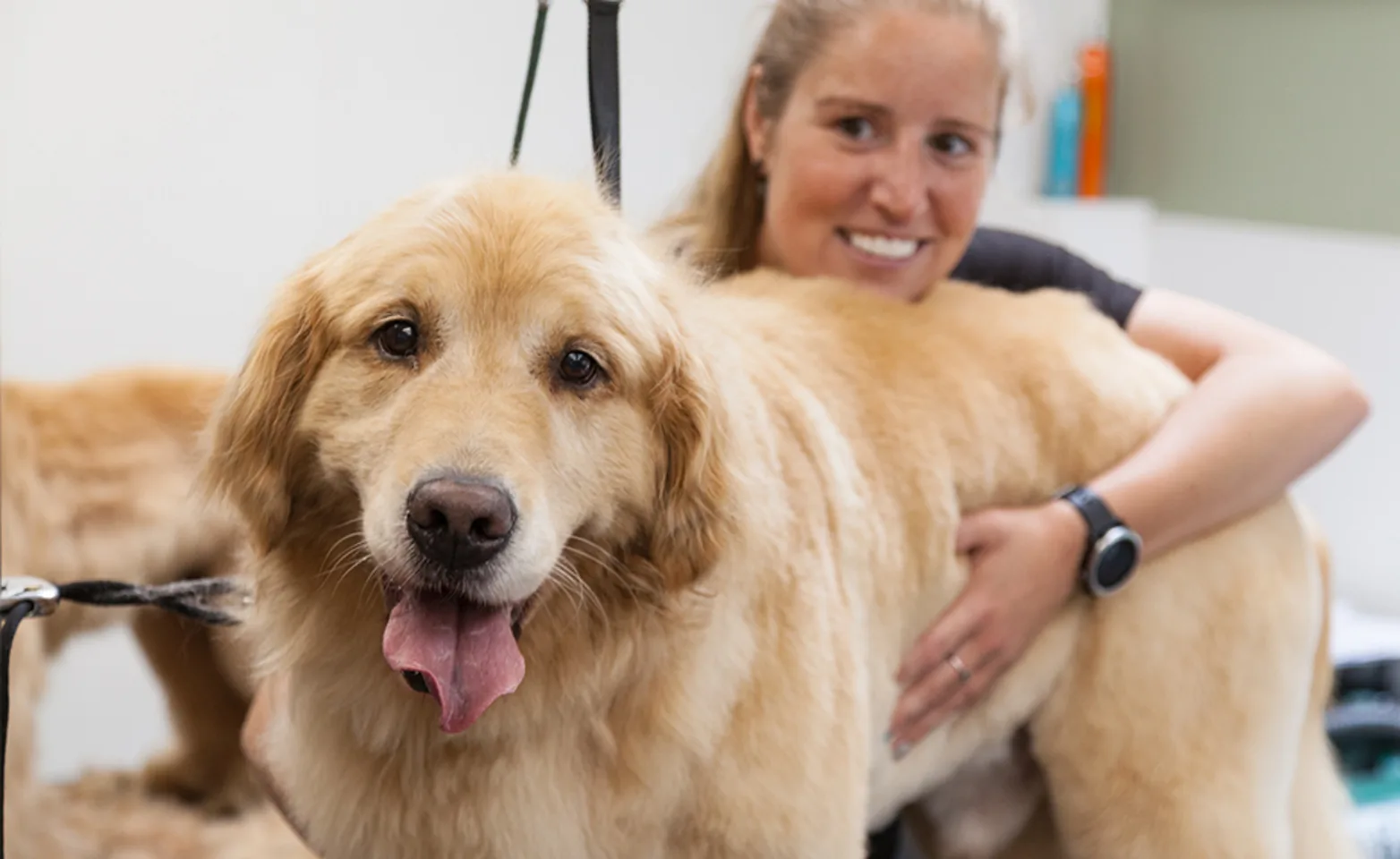
- Double coats (Golden Retrievers, Huskies, Corgis): every 6–8 weeks, with extra attention during spring and fall shedding seasons.
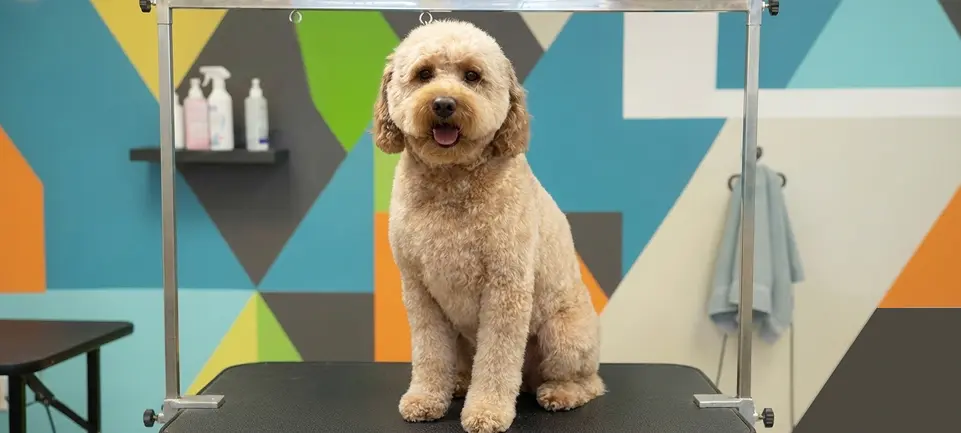
- Curly or wavy coats (Poodles, Doodles, Bichons): every 4–6 weeks — these coats don't shed the way others do, so loose hair stays trapped and mats form faster.
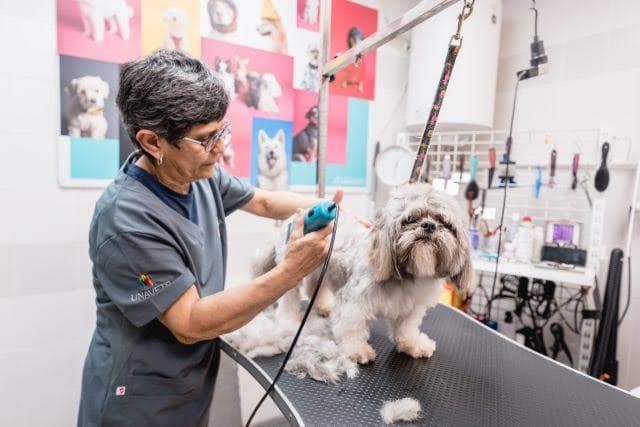
- Long, silky coats (Shih Tzus, Yorkies, Maltese): every 4–6 weeks, plus regular brushing at home in between to prevent tangles near the skin.
What a Groom Actually Involves
A standard groom here includes a bath with a coat-appropriate shampoo, a full blow-dry and brush-out, a nail trim, and ear cleaning — the essentials that keep a dog comfortable between visits. From there, most dogs also get a sanitary trim and a style or trim suited to their coat and the season. If you're ever unsure whether your dog needs a quick touch-up or a full service, that's a completely normal question to ask when you book — we're happy to take a quick look and recommend what actually makes sense.
Key Takeaways
- Nail length and hidden mats near the skin are the two signs owners miss most often.
- Grooming frequency should follow coat type, not a one-size-fits-all calendar.
- Curly and long silky coats need the most frequent attention — every 4–6 weeks.
- Catching issues early keeps grooming quicker, gentler, and less expensive.
If you're not sure whether it's time, feel free to reach out — we're always happy to take a quick look and let you know what your pup actually needs.