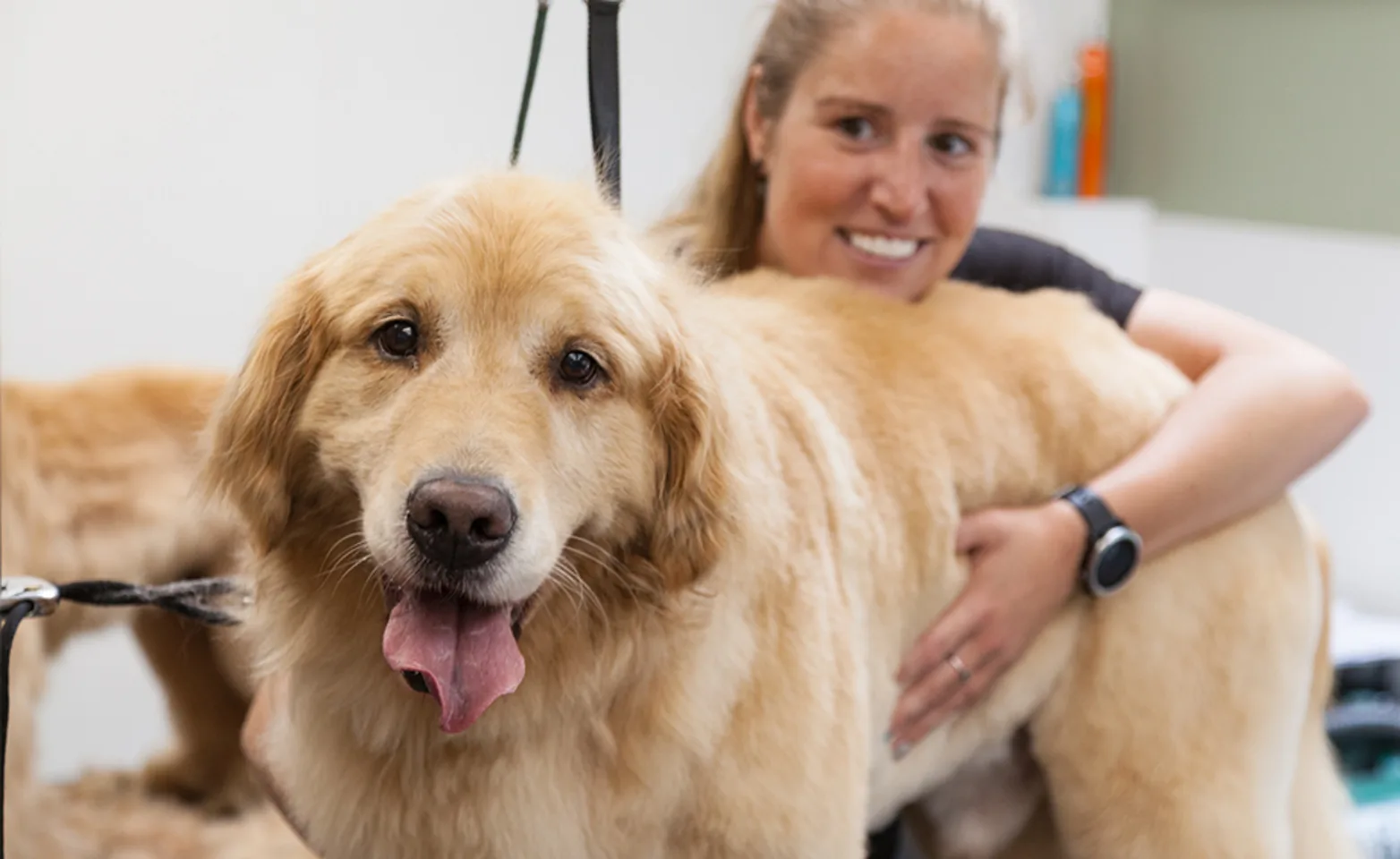
Regular brushing at home is one of the highest-impact, lowest-effort things you can do for your dog's coat. It keeps your dog healthier and more comfortable between grooming visits, prevents mats before they start, cuts down on shedding around the house, and gives you a regular, low-key chance to notice anything unusual on their skin. But the brush that works beautifully on a Labrador can be almost useless — or even irritating — on a Poodle. Getting the tool right matters more than most owners expect.
Why Brushing Matters Beyond Looks
Brushing does more than keep a coat tidy. It distributes natural skin oils along the hair shaft, which helps keep both coat and skin healthier. It improves circulation with the gentle stimulation of the brush against the skin. And because it means running your hands over your dog regularly, it's often how owners first notice a new lump, a hot spot, a tick, or a patch of irritated skin — long before it would otherwise be obvious. It's also, for a lot of dogs, genuinely enjoyable one-on-one time that builds trust.
Match the Tool to the Coat
- Short, smooth coats (Beagles, Labs, Boxers): a rubber curry brush or bristle brush, used 1–2 times a week, is usually enough to lift loose hair and distribute oils.
- Double coats with a soft undercoat (Golden Retrievers, Huskies, Corgis): an undercoat rake is essential, especially during shedding season, to reach the dense layer beneath the guard hairs without damaging the topcoat.
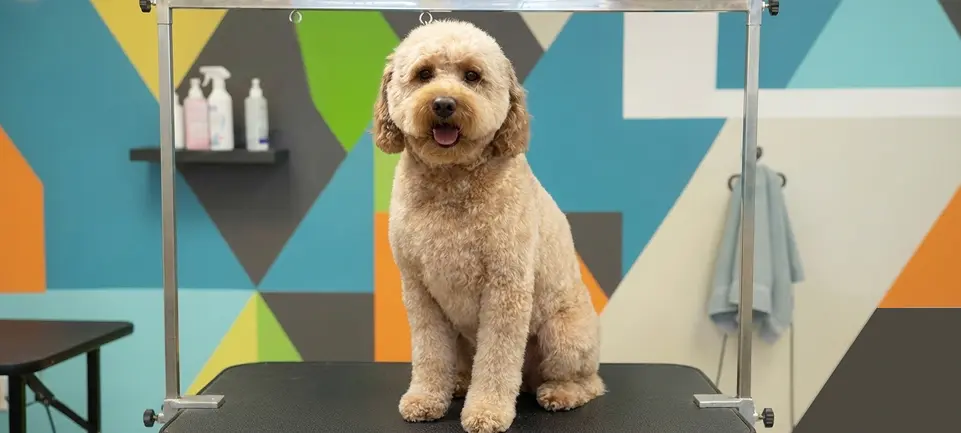
- Curly or wavy coats (Poodles, Doodles, Bichons): a slicker brush used a few times a week prevents matting before it starts, followed by a metal comb to check you've reached all the way to the skin.
- Long, silky coats (Shih Tzus, Yorkies, Maltese): a pin brush for the length, plus a metal comb to check for tangles close to the skin where mats most often begin.
A Step-by-Step Brushing Routine
- Start with a quick full-body scan, feeling for mats or tangles before you begin brushing so you know what to expect.
- Work in small sections — a few inches at a time — rather than dragging the brush across the whole coat in long strokes.
- Always brush in the direction of hair growth, then follow up against the grain lightly for double coats to lift loose undercoat.
- Finish with a metal comb through each section to confirm you've reached the skin, not just the top layer of fur.
- Reward with a treat or calm praise, especially early on — this turns brushing into something your dog looks forward to rather than tolerates.
“The dogs who tolerate brushing best are almost always the ones who started young, in short sessions, with plenty of positive reinforcement.”
Common Brushing Mistakes
- Brushing too fast across the surface without checking that the brush is actually reaching the undercoat or skin.
- Skipping the trouble spots — behind the ears, under the legs, and around the collar — where mats form first and fastest.
- Trying to detangle a completely dry, matted coat instead of using a detangling spray or conditioner to ease the process.
- Brushing only when a mat is already visible, rather than on a regular schedule that prevents them from forming.
When to Call in the Professionals
If mats have already formed, resist the urge to cut them out yourself close to the skin — dog skin is thinner and more fragile than it looks, and it's easy to nick your dog even with careful scissor work. Small, loose mats can often be worked out gently with a detangling spray and a lot of patience, but anything tight, close to the skin, or covering a large area is safer left to a professional groomer who has the right tools and technique to remove it without hurting your dog.
Key Takeaways
- The right brush depends entirely on coat type — one tool does not work for every dog.
- Brushing in small sections and finishing with a comb ensures you're actually reaching the skin.
- Mats form fastest behind the ears, under the legs, and around the collar — check these spots often.
- Bring your dog in rather than cutting out tight or extensive mats yourself.
Not sure which tool is right for your dog's coat? Bring it up at your next visit — we're always happy to show you the basics in person.