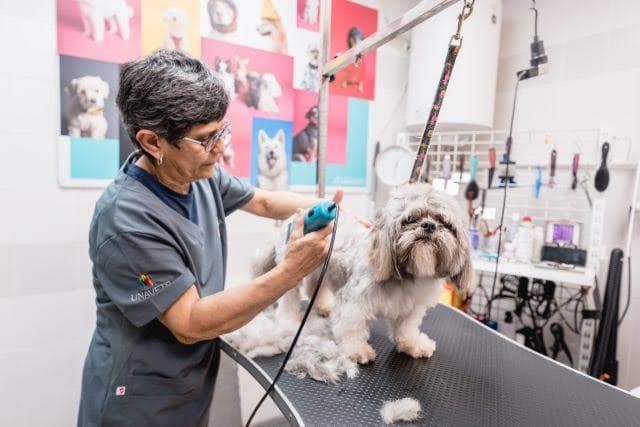
Bringing your dog in for their first professional groom can feel like a big step — for them and for you. It's a new environment, new sounds, new smells, and a stranger handling parts of their body they might not be used to having touched. Knowing exactly what happens, in what order, and why makes the whole experience far less intimidating, and it's the single best thing you can do to prepare. This guide walks through the entire visit from drop-off to pickup, plus what separates a genuinely good groomer from a rushed one.
Why the First Visit Sets the Tone
Dogs are creatures of association. If the first grooming experience is calm and positive, most dogs settle into a lifelong routine without much fuss. If it's rushed or stressful, that first impression can make every future visit harder than it needs to be. That's why a good first visit is never just about getting the groom done — it's about building trust that pays off for years.
Before the Appointment
- Let your dog relieve themselves shortly before arriving — a relaxed bladder means a more relaxed dog on the table.
- If your dog has a lot of pent-up energy, a short walk beforehand helps them settle in faster once they arrive.
- Bring any vaccination records if you haven't already shared them, especially for a first-time visit.
- Mention any sensitive areas, past injuries, medical conditions, or anxieties when you check in — this genuinely changes how your groomer approaches the visit.
What Happens, Step by Step
- Check-in and a few minutes of settling time — letting your dog sniff around and adjust before any handling begins.
- A pre-groom check: a quick look at the coat, skin, ears, and nails to plan the visit and flag anything unusual.
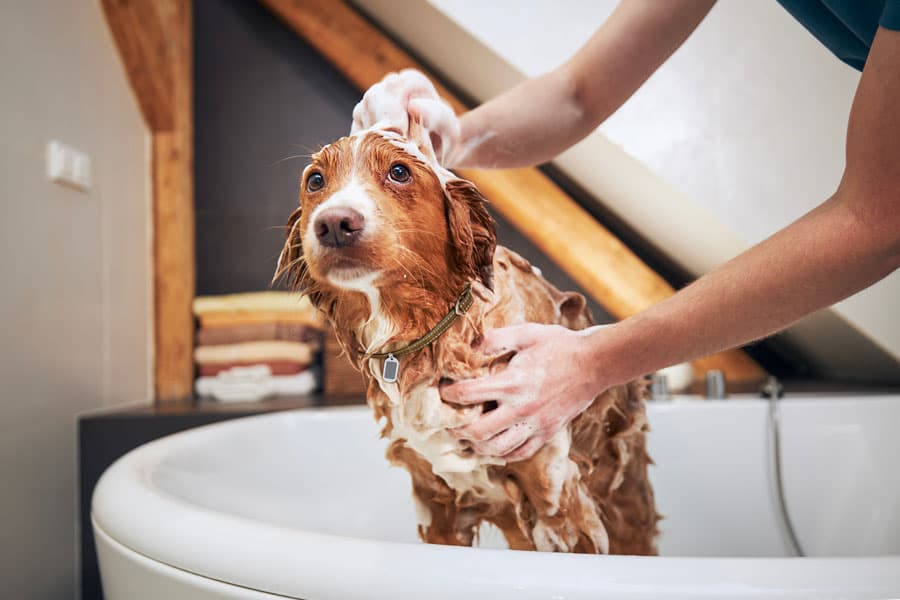
- Bath and conditioning with a shampoo suited to their coat and skin.
- A full blow-dry paired with brushing, which is often the step that removes the most loose undercoat and prevents future mats.
- Any requested trim or style, done at a pace matched to how the dog is handling the visit.
- Nail trim and a check of the paw pads.
- Ear cleaning.
- A final once-over and a little fuss to send them home happy.
For first-timers specifically, groomers go slower, take extra breaks, and lean on positive reinforcement throughout — the goal isn't just a finished groom, it's a dog who associates the whole process with calm, predictable handling rather than stress.
“The goal of a first visit isn't just a finished groom — it's a dog who leaves associating the whole experience with calm, predictable handling.”
How Long It Takes
Small and medium dogs usually take about 30 minutes; large or heavily-coated dogs can take closer to an hour. First visits often run a bit longer than that baseline, simply because groomers are moving at the dog's pace rather than the clock's. If your dog needs extra time to settle in, that's a completely normal part of a first visit, not a sign anything is wrong.
Signs Your Groomer Is a Good Fit
- They ask about your dog's temperament and history before the visit, not just their coat type.
- They explain what they're doing and why, rather than rushing straight to the table.
- They're willing to pause, offer breaks, or adjust their approach if your dog seems stressed.
- They give you honest, specific feedback afterward — not just "all done," but what they noticed and what to expect next time.
After Pickup
Some dogs are a little tired after their first groom — that's completely normal, even for dogs who handled it well. New sensations, a new environment, and a lot of standing still can be more draining than it looks. Offer water, a quiet spot to rest, and maybe a treat for being such a good sport. Most dogs settle into the rhythm of grooming within a visit or two, and it becomes just another normal part of their routine.
Key Takeaways
- A calm, positive first visit sets the tone for every future grooming appointment.
- First-timers get a slower pace, extra breaks, and more patience — expect the visit to run a little longer.
- A good groomer explains their process and adapts to your dog, rather than rushing through a checklist.
- It's normal for a dog to be a little tired afterward — most settle into the routine within a visit or two.