Ear infections are one of the most common reasons dogs end up at the vet — and one of the most preventable with a bit of routine care. Left unaddressed, they can be genuinely painful and, if they become chronic, difficult to fully resolve. The good news is that prevention is straightforward once you understand what's actually causing the problem in the first place.
What Causes Ear Infections
A dog's ear canal is naturally warm and, to some degree, moist — exactly the environment that yeast and bacteria thrive in when given the chance to build up. Floppy ears reduce airflow and trap moisture against the canal, which is why breeds like Cocker Spaniels, Basset Hounds, and Labradors are more prone to issues than dogs with upright ears. Excess hair growing inside the ear canal, common in breeds like Poodles and Schnauzers, can trap debris and moisture even further. And any dog that swims or gets their ears wet regularly is at higher risk simply from the added moisture.
Breeds and Dogs at Higher Risk
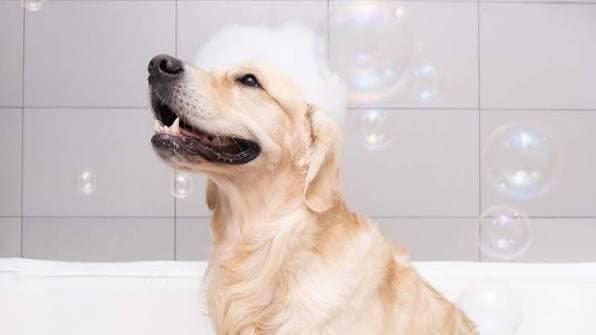
- Floppy-eared breeds: Cocker Spaniels, Basset Hounds, Labradors, and Golden Retrievers, due to reduced airflow to the ear canal.
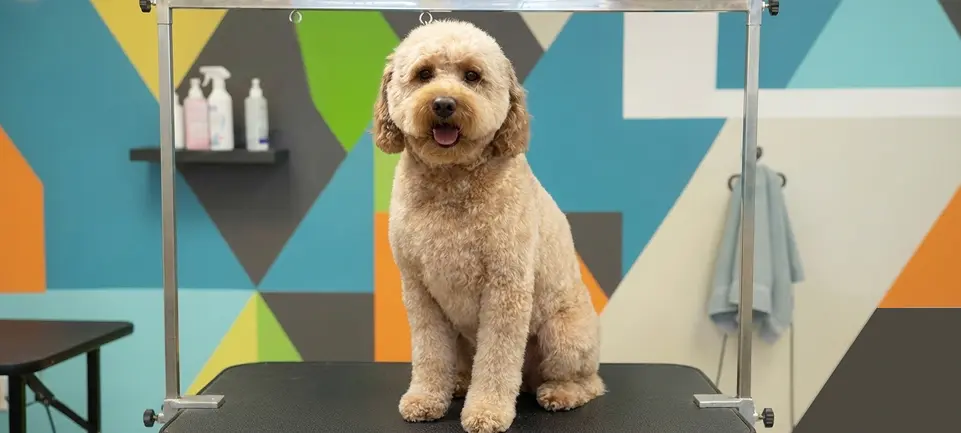
- Breeds with hair growth inside the ear canal: Poodles, Schnauzers, and many terrier breeds.
- Dogs who swim or bathe frequently, where moisture regularly gets into the ear canal.
- Dogs with known allergies, since skin inflammation from allergies often extends into the ears.
How to Help Prevent Them
- Dry your dog's ears thoroughly after baths and swimming — a soft towel or cotton ball at the outer ear is usually enough.
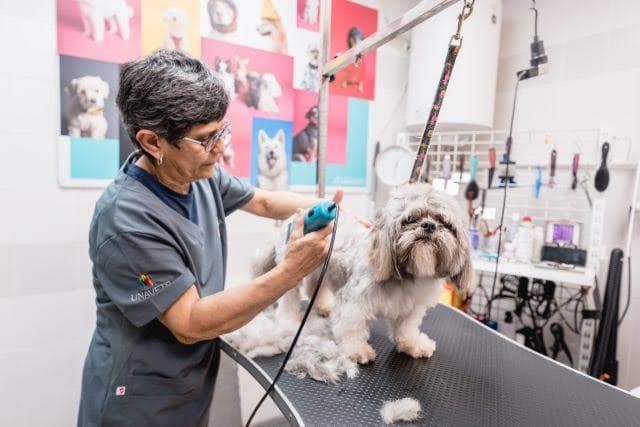
- Ask your groomer about routine ear cleaning as part of regular grooming visits.
- Watch for head shaking, scratching at the ears, odor, redness, or a head tilt — and don't wait to get it checked if you notice any of these.
- Avoid cotton swabs deep in the ear canal; stick to what's visible at the outer ear, or let a professional handle the rest.
- Keep excess ear hair trimmed or plucked in breeds prone to it, which improves airflow significantly.
“Most ear infections we see could have been caught — or avoided entirely — with a few extra minutes of drying after a bath or a swim.”
What Routine Ear Care Looks Like at a Grooming Visit
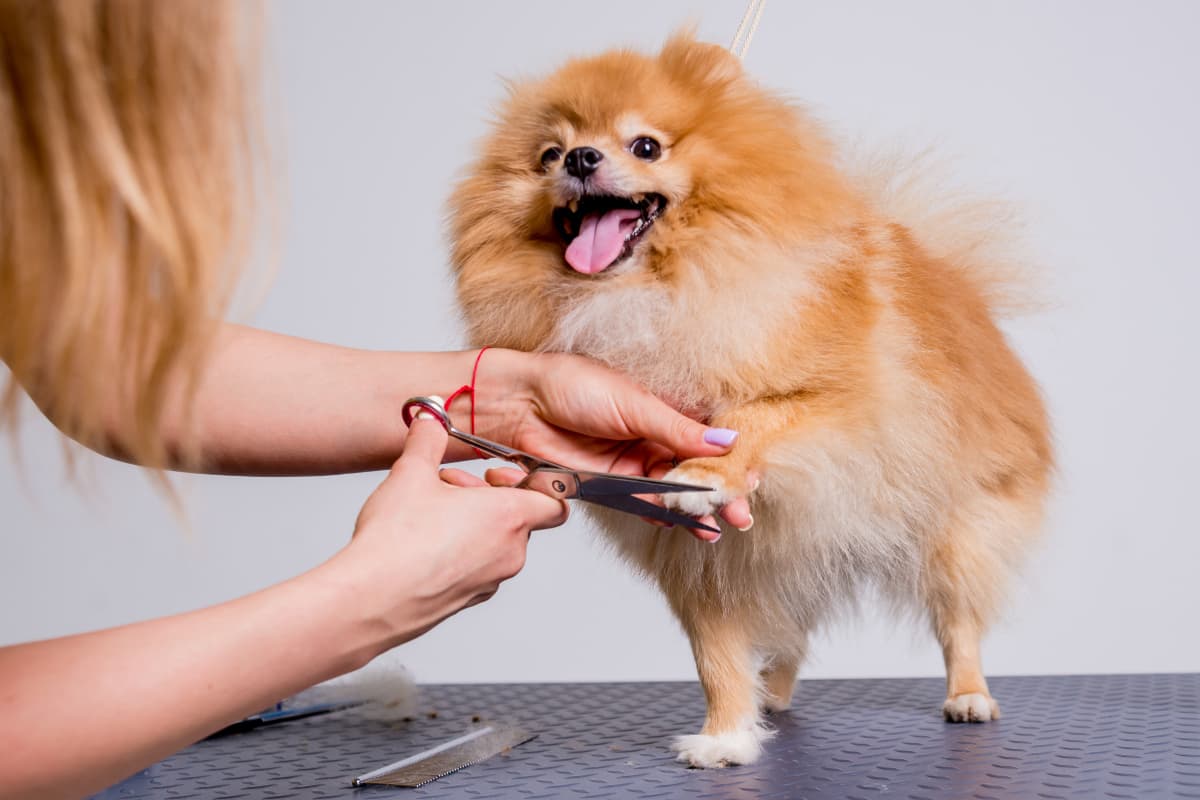
Ear cleaning is included with every grooming appointment here, so regular visits do double duty for coat care and prevention. A typical ear check includes a visual inspection for redness, odor, or discharge, a gentle cleaning of the visible ear canal with a dog-safe solution, and trimming of excess hair if your dog's breed calls for it. If anything looks off, we'll flag it so you can follow up with your vet before it becomes a bigger issue.
When to See a Vet, Not Just a Groomer
Routine ear cleaning during grooming is preventive care, not treatment. If your dog is already showing signs of an active infection, a vet visit — not a grooming appointment — is the right next step.
- A strong or unusual odor coming from the ear.
- Redness, swelling, or visible discharge inside the ear.
- Frequent head shaking, tilting, or pawing at one ear specifically.
- Signs of pain when the ear area is touched.
Key Takeaways
- Warm, moist ear canals are the main reason infections develop — drying thoroughly after water exposure matters a lot.
- Floppy-eared, hairy-eared, and frequently-swimming dogs are all at higher risk.
- Routine grooming visits include ear cleaning, which doubles as prevention.
- Odor, redness, discharge, or head shaking are signs to see a vet, not just a groomer.